

A faint chime was the first indication that something had changed. When someone said, “Hey Copilot,” a laptop on a Shoreditch café table lit up its microphone icon for a moment before a soothing, artificial voice answered. No new window opened. The app didn’t launch. It appeared as though the operating system itself was listening.
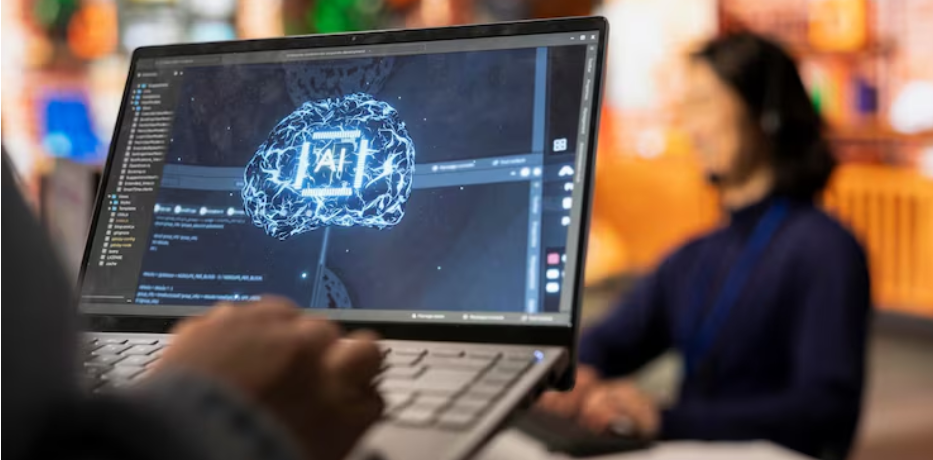
Windows has been a world of menus, folders, and click paths that are learned through practice for many years. Now, that landscape is changing—not through a radical redesign, but rather through minor details where AI infiltrates everyday tasks. Microsoft’s Copilot integration subtly alters Windows’ behavior in the background; it is more of a layer than a feature.
| Category | Details |
|---|---|
| Company | Microsoft |
| Operating System | Windows 11 |
| AI Platform | Microsoft Copilot |
| Key Features | Copilot Voice, Vision, Actions, Taskbar Integration, AI File Explorer |
| Hardware Tier | Copilot+ PCs (NPU-enabled devices) |
| Security Model | Agent isolation, limited privileges, digital signing |
| Availability | Global rollout; advanced features in preview |
| Official Website | https://www.microsoft.com/windows |
Voice is the most obvious change. With a wake phrase and subtle audio cues that indicate when the system is listening, Copilot Voice enables hands-free interaction. This feels strangely personal in a home office—the pause, the soft chime, the response that comes without a keystroke. Voice control may continue to be a specialized habit, but its existence suggests a more ambitious goal: lowering the barrier between intention and action.
Copilot Vision, which can interpret what’s on screen and offer direction, is more unexpected. The AI highlights buttons, provides instructions, and clarifies options when sharing a spreadsheet or presentation. Watching it is more like being guided through it than using software. However, at least for the time being, the system is unable to click or scroll on its own and only sees what users choose to share.
Copilot Actions, an experimental system of autonomous agents that can process images, organize files, and extract data from PDFs, might be the true change. These agents have restricted access and cryptographic protections, and they operate in separate workspaces from the user’s desktop. The architecture conveys a sense of both ambition and caution. Although it seems eager to automate tasks, Microsoft is cautious about giving software that still makes mistakes too much control.
One gets the impression that Windows is evolving from a tool to a collaborator. “Ask Copilot,” which provides voice, text, and guided assistance with a single click, is integrated into the redesigned taskbar. Instantaneous search results are displayed, and AI support is kept apart from personal information. The intentionality of the distinction serves as a reminder that privacy and convenience now coexist in an uneasy balance.
The browser is also evolving. Copilot Mode in Microsoft Edge can compare products, summarize tabs that are open, and even try to unsubscribe from emails. Dependability varies. While some actions result in confident confirmations that turn out to be incomplete, others fail silently. Users’ trust in automation that occasionally overpromises is still unknown.
Mico, a tiny animated companion, adds personality to the interface in the meantime. Its expressive responses are reminiscent of the late 1990s Office assistant Clippy, who was widely ridiculed. This time, the character seems softer and less invasive, but observing how it responds to voice commands begs the well-known question of whether being friendly makes machines seem more helpful or just more human.
One of Windows’ most static features, File Explorer, is getting AI capabilities thanks to integrations that can create websites from local files or summarize documents. Now, right-click menus allude to features that only a few years ago would have needed specialized software. These little savings add up, cutting down on time spent on tasks that previously required concentration.
Not every feature is the same. Copilot+ PCs with neural processing units are necessary for advanced experiences, indicating a widening gap between older computers and AI-ready hardware. Although consumer enthusiasm is still unclear, investors appear to think that this hardware shift could lead to another cycle of upgrades.
Privacy and security continue to be major issues. Agents need to be explicitly activated, work with standard accounts, and have restricted folder access. Although Microsoft places a strong emphasis on openness and user control, the AI layer is dependent on network connectivity and trust due to its reliance on cloud processing.
It’s difficult not to notice how little fanfare these changes come with as you watch them happen. Windows does not have a dramatic “AI edition” or a complete visual makeover. Rather, intelligence infiltrates well-known areas, such as a taskbar button, a right-click menu, or a hushed response from the speakers.
It’s probable that the majority of users will adjust to these changes without giving them much thought. Under the surface, however, Windows is changing from a passive setting to one that is more active—watching, proposing, and taking action. The degree to which the technology continues to subtly alter the routines of computer use may determine whether this evolution is empowering or unsettling.
